ALTIDA

HomeTransportGeneral Haulage

GeneralHaulage

From a single pallet to heavy plant, moved anywhere in the UK. Route planning, movement orders, police notifications, and escort vehicles all handled in-house, filed before the lorry leaves the yard.

Altida is a Chesterfield-based transport company, moving loads of almost any size and type across the UK. From building materials and palletised freight to mobile cranes, heavy plant, and long structural steel.

We match the trailer to the load, the route, and the site access, then move it with our own drivers. Where a load needs it, we plan the route and handle the movement orders, police notifications, and escort vehicles — all in-house, filed before the lorry leaves the yard.

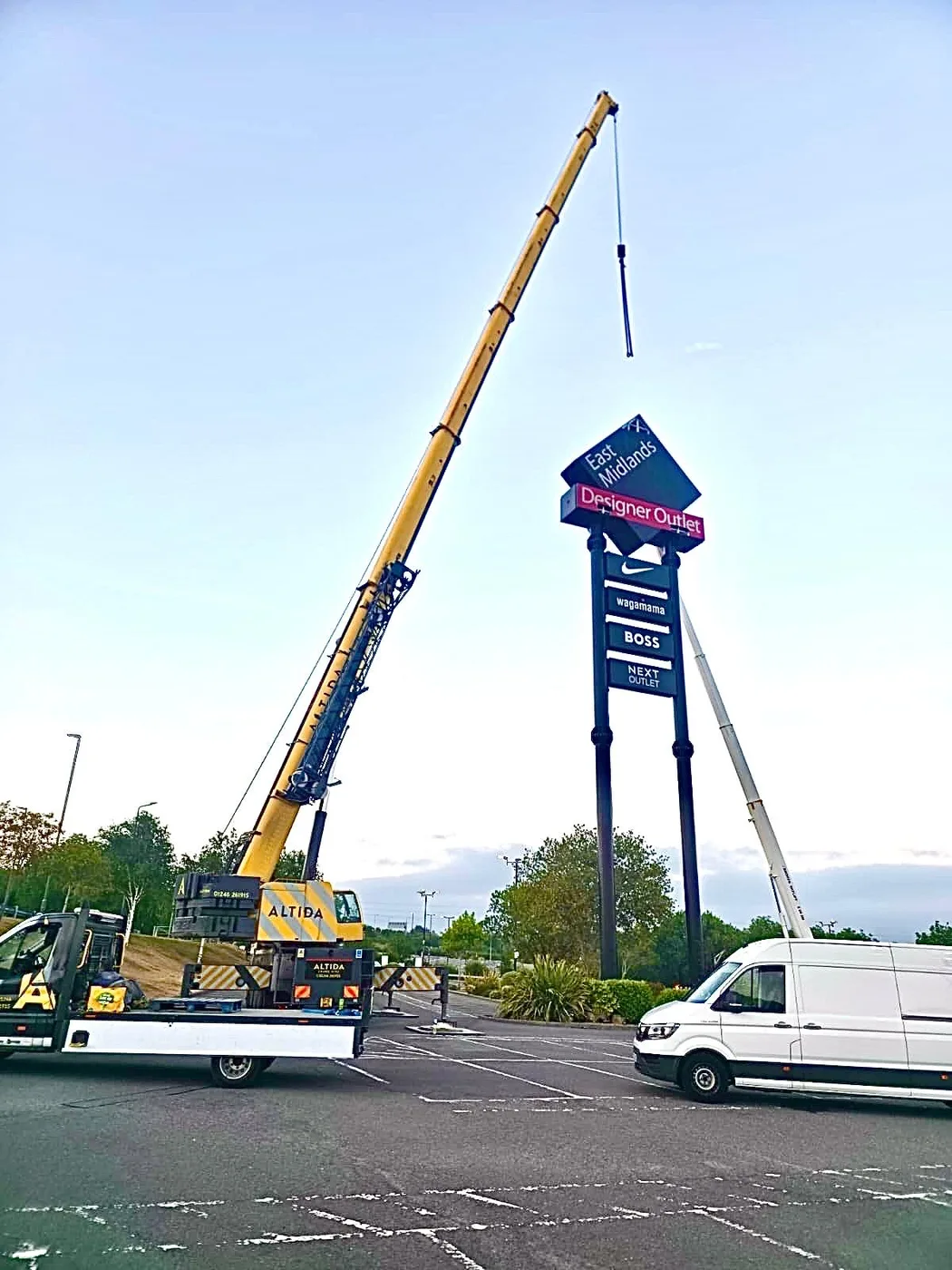
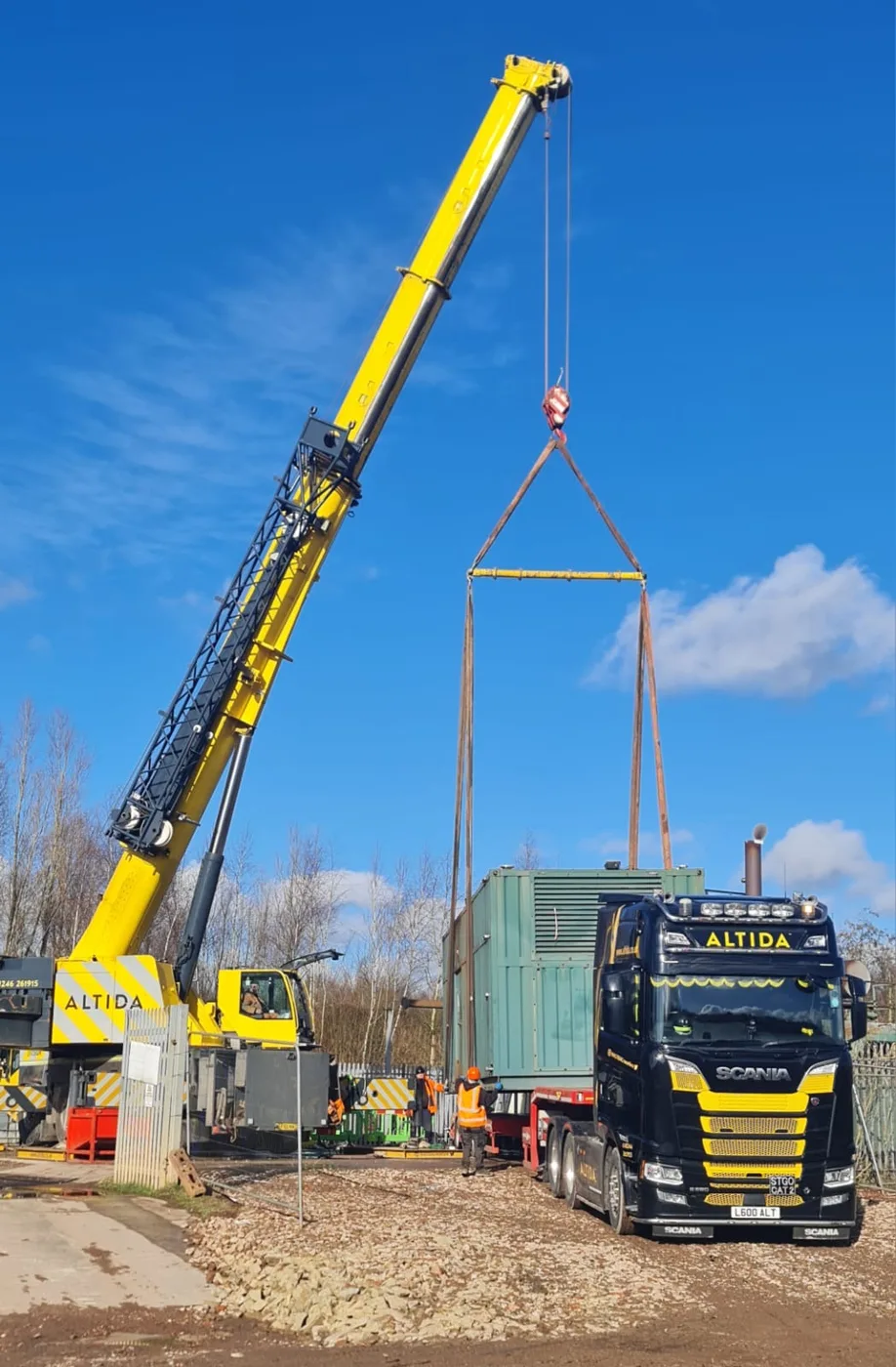
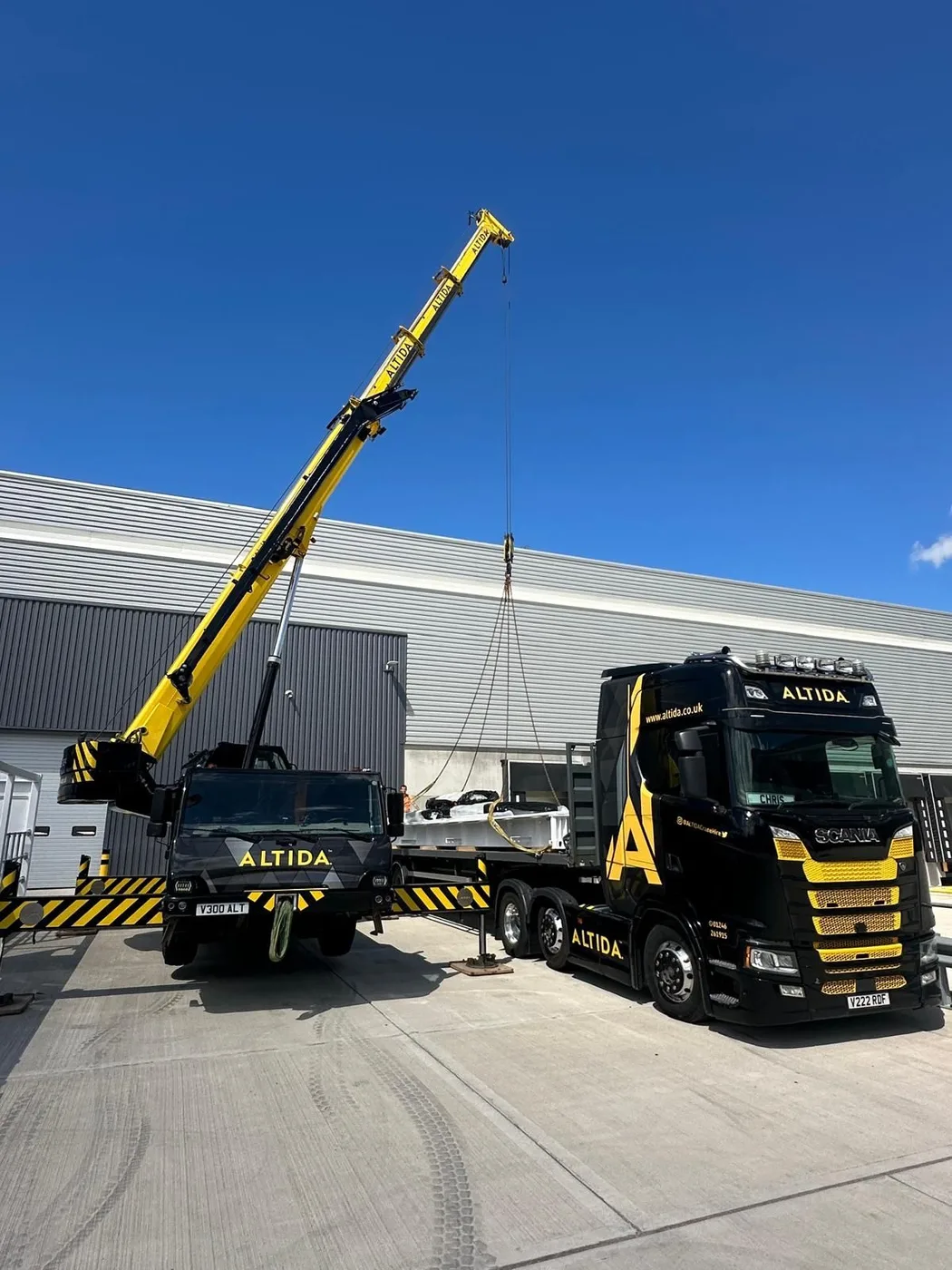
Altida runs cranes as well as transport. So when a load needs lifting onto or off the lorry, the crane and the lorry come from the same team — no handover between two separate firms.


What we move

From pallets
to plant

Whatever the load, the job is the same: get it there safely, legally, and on time. These are the loads we move most. There's rarely one we can't put on the right trailer.

  1. Building materials & palletised freight Stillages, packs, and palletised goods moved site to site across the UK.
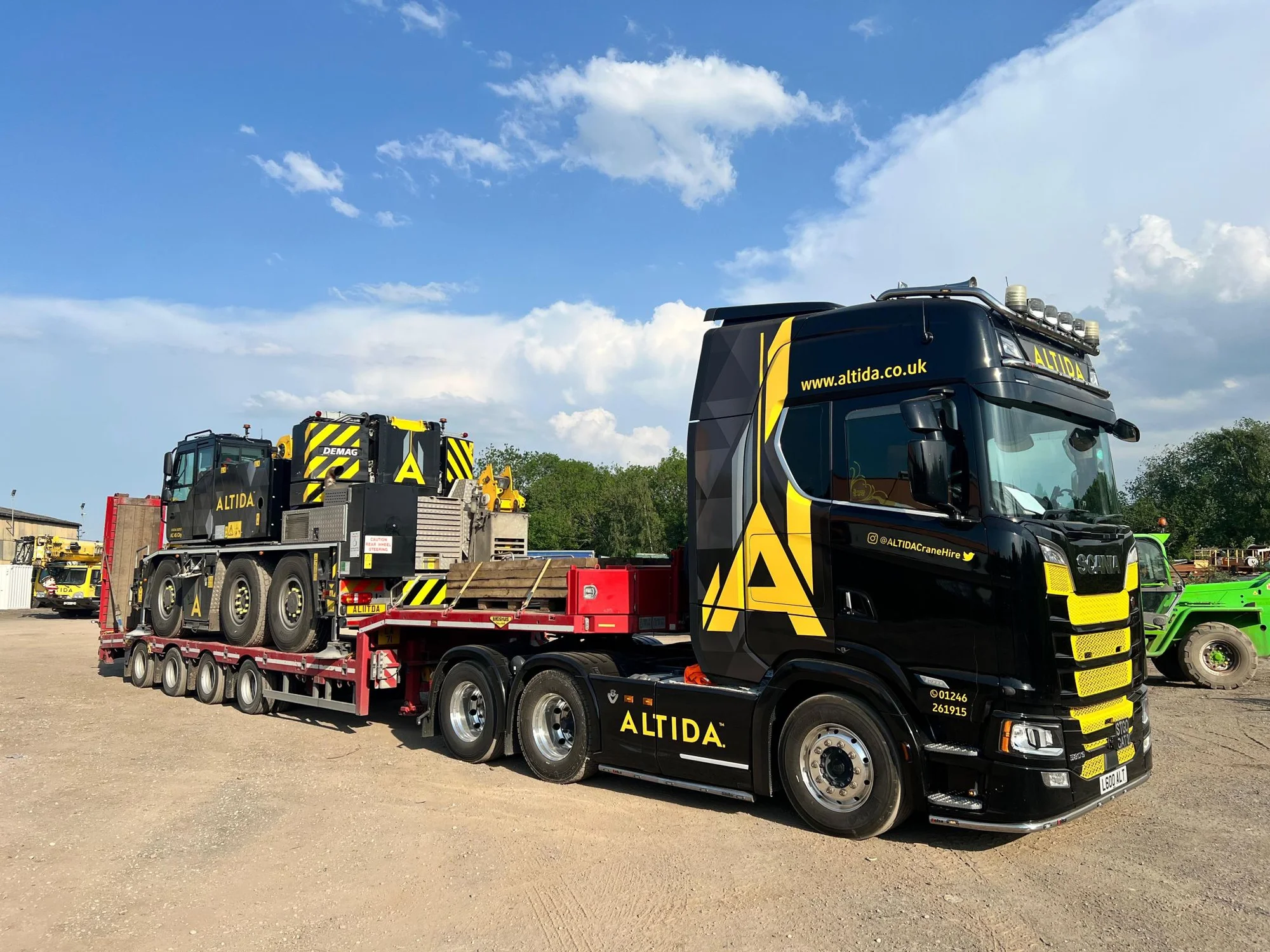
  2. Mobile cranes & lifting equipment Cranes and plant moved on the right trailer for the height and the weight.
  3. Mobile homes & cabins Oversized but within haulage limits, carried on a low-loader where height is tight.
  4. Long plant & structural steel Beams, sections, and long loads on extending trailers that follow the tractor through tight access.
  5. Heavy plant & machinery Excavators, forklifts, and tracked plant, driven straight onto a beavertail and away.

The fleet

The right trailer for the load

We run a mixed fleet so we match the trailer to the job.

Most loads

Articulated lorries

Versatile across loads of varied weight, shape, and size. The articulated pivot gives the turning radius to move equipment and materials site to site, without the access compromises of a rigid lorry.

Best for General loads, building materials, palletised freight.

Height clearance

Step-frame low-loaders

Built for mobile cranes, lifting equipment, and mobile homes where height is the constraint. The stepped deck sits low enough to run legally under bridges and gantries a standard trailer wouldn't clear.

Best for Tall plant, mobile cranes, mobile homes.

Long loads

Extending trailers

Triple-extending beds with rear-wheel steer that follows the tractor through tight corners — the choice for long loads heading into narrow site access or into town centres.

Best for Structural steel, long plant, beams.

Drive-on plant

Plant trucks

Beavertail trucks built to be driven onto by heavy plant — forklifts, mini excavators, and tracked machinery. A quick load-and-go for site-to-site plant moves.

Best for Excavators, forklifts, tracked plant.

Know your load

General haulage, or an abnormal load

Most loads move within normal road limits. Once a load is over them, it becomes an abnormal load. That moves under Special Types rules, with notice to the authorities and, where the route needs them, escorts — handled by the same Altida team.

  Standard load General haulage Abnormal load Special Types
Weight Up to 44 tonnes gross Over 44 tonnes
Width Up to 2.9 m Over 2.9 m
Length Up to 18.65 m Over 18.65 m
Notice to authorities Not normally required Police & highway authorities notified in advance
Escort vehicles Not normally required Arranged where the route needs them

These are the standard UK road limits — the exact thresholds depend on the load and the route, which we confirm when we plan the job.

Over the limits? See Abnormal Loads

Before you call

What we'll need to know

The more you can tell us up front, the faster we can confirm the trailer, the route, and the timing. Don't worry if you don't have it all — we'll work the rest out with you.

  • What the load is, and roughly what it weighs.

  • Its dimensions — length, width, and height, even approximate.

  • Where it's collected from, and the access at that end.

  • Where it's going, and the access on delivery.

  • When you need it moved, and any fixed date or window.

  • Anything unusual — fragile, hazardous, or needs lifting on or off.

If you have most of that, send it over and we'll come back with a clear quote — the trailer, the route, the timing, and any escort named up front.

Why Altida

One team for the lift
and the move

Most transport firms don't have cranes; most crane firms sub the transport out. Altida runs both, which makes a move simpler from the first call.

  1. The crane and the lorry, one team

    When a load needs lifting on or off, the crane and the transport come from the same yard. No handover between two firms, no waiting on someone else's diary.

  2. Our own fleet, our own drivers

    A mixed fleet of trailers and qualified drivers, so the trailer fits the load and one person owns the job from booking through to delivery.

  3. Route and paperwork in-house

    Route planning, movement orders, police notifications, and escort vehicles — all handled by the same team that runs the move.

  4. Nationwide coverage

    A central base in Chesterfield means we reach the length of the UK without starting every job miles from where it begins.

Across industry

Sectors we move for

Rail

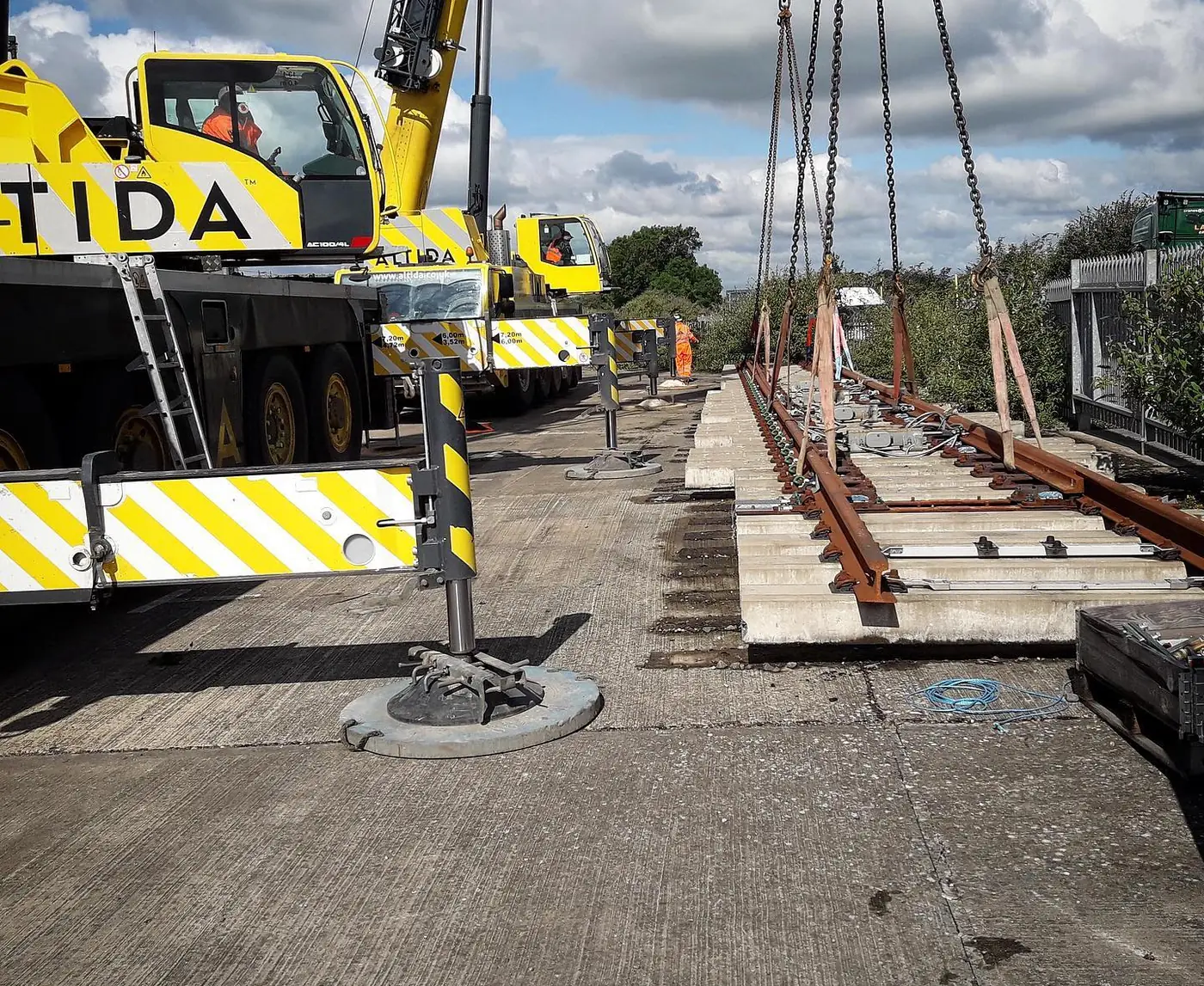
Overhead crane beams, trackside machinery, signalling cabinets.

Construction

Building materials, structural steel, modular units.

Power & utilities

Transformers, generators, switchgear.

Oil & gas

Pressure vessels, process equipment, slip bundles.

Plant & manufacturing

Site machinery and production-line equipment between sites.

Exhibition & events

Equipment and structures to venues and showgrounds.

Good to know

What fits, and how it's secured

Two questions come up on almost every haulage job: will it fit and stay legal, and will it travel safely? Here's the plain version of both — and if you're not sure where your load lands, tell us and we'll work it out.

What it carries

Payload, not gross weight

A 44-tonne artic isn't 44 tonnes of payload. Once the tractor and trailer are accounted for, a standard curtainsider carries around 28 tonnes, across roughly 26 UK pallets on the deck. We match the trailer to the weight and pallet count.

Standard or abnormal

When it stops being standard

Within roughly 2.9 metres wide, 18.65 metres long and the normal weight limit, a regular trailer carries it as general haulage. Past any one of those it becomes an abnormal load, with permits and notice — which the same team also handles.

In transit

Secured to the standard

Loads are secured to the recognised standard: the restraint has to hold the full weight of the load forwards and half its weight to each side and the rear, so nothing shifts under braking or cornering. Straps, chains and the right trailer for the shape, checked before the lorry leaves the yard.

Common questions

What we
get asked

The questions transport and site teams ask us most often. Anything else, just call.

Do you cover the whole of the UK?
Yes. From a central base in Chesterfield, near the middle of the country, we move loads nationwide.
Can you handle my load — its size, weight, or access?
From a single pallet to heavy plant and long structural steel, we match the trailer to the load and the site access. If you're not sure what's needed, we'll work it out with you.
Who handles the route, the paperwork, and the escorts?
We do, all in-house. Route planning, movement orders, police notifications, and escort vehicles sit with the same team that runs the move, filed before the lorry leaves the yard.
Do you move abnormal loads as well as standard ones?
Yes. Once a load is over the standard road limits it becomes an abnormal load. It moves under Special Types rules, with extra notice and, where the route needs them, escorts. The same team handles both — see our Abnormal Loads page for more.
Who drives my load?
Our own qualified drivers, in our own trailers — one point of contact from booking through to delivery.
How many pallets fit on a lorry?
A standard 13.6-metre curtainsider takes around 26 UK pallets in a single layer on the deck. The exact number depends on the pallet size and whether the goods can be double-stacked. The pallet count and dimensions confirm the right trailer.
Why is a 44-tonne lorry's payload less than 44 tonnes?
Because 44 tonnes is the total weight of the whole vehicle — tractor unit, trailer and load together. Once the weight of the lorry and trailer is taken off, a standard artic carries around 28 tonnes of payload. If your load is heavier than that, we'll put it on the right trailer. Over the legal limit it becomes an abnormal load, which we also move.
How do you make sure my load doesn't shift?
Every load is secured to the recognised standard: the restraint has to hold the full weight of the load forwards and half its weight to each side and the rear, so it stays put under braking and cornering. We use straps, chains and the right trailer for the load's shape, and check it before the lorry leaves the yard.
Can you carry a small or part load?
Yes — from a single pallet upwards. From the size, the weight and where it's going, we match it to the right trailer and the right run, rather than charging you for space you don't need.
How do I get a quote?
Call with the load, the route, and the dates, or send the details through the site. Either way you get a clear quote with the trailer, route, and timing named up front.