ALTIDA

HomeTransportAbnormal Loads

AbnormalLoads

When a load is over the standard road limits, tell us and we handle it — the route survey, the notifications to police and the highway authorities, the escorts, and the move itself, all in-house. One team, one number, anywhere in the UK.

An abnormal load is one that's too heavy, too wide, or too long to move under the standard road limits. Once a load is over them, it moves under Special Types rules — with notice to the authorities, a planned route, and escorts where the route needs them.

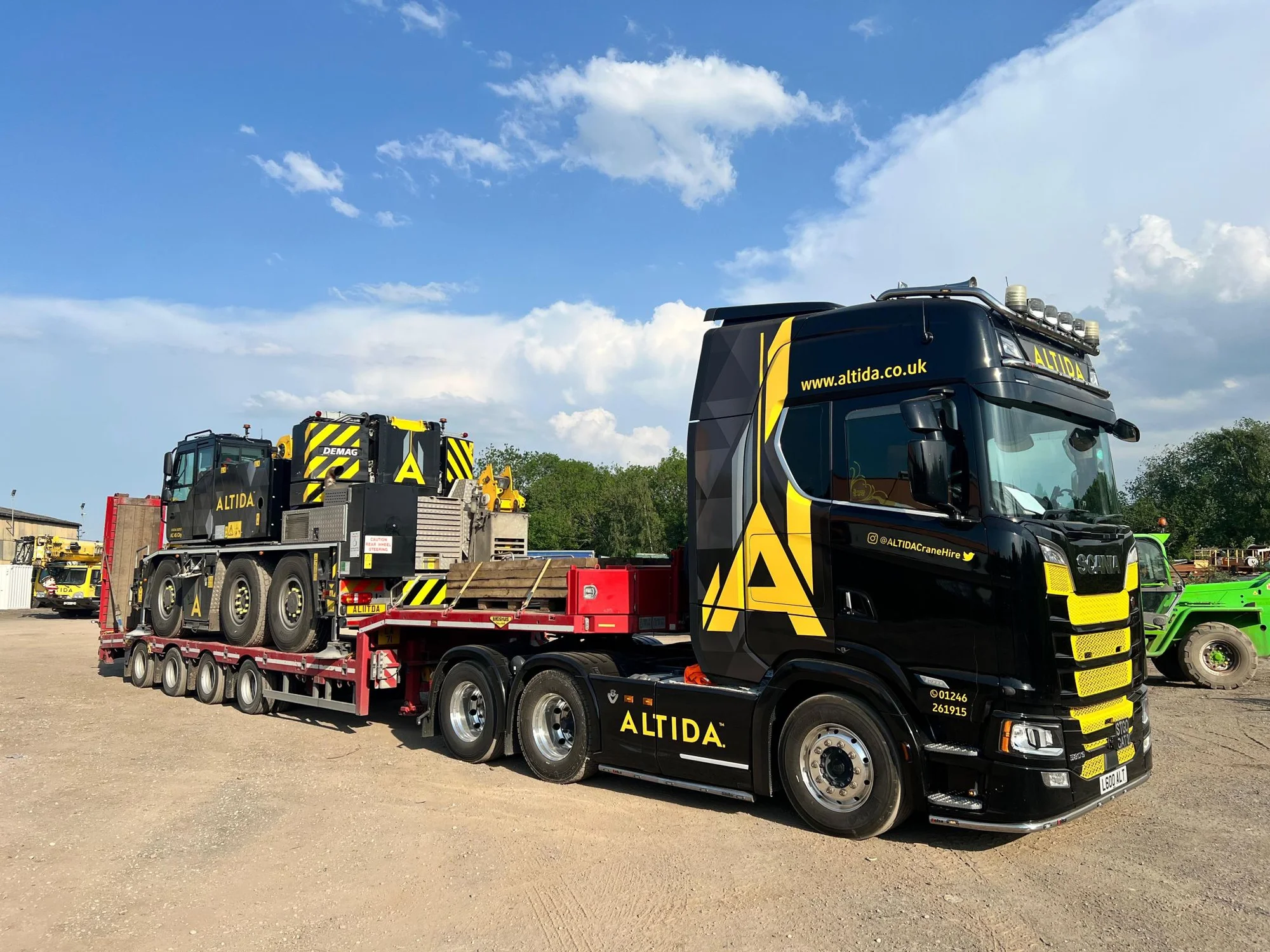
Altida move abnormal loads across the UK from a base in Chesterfield. We match the trailer to the load and the route, plan the journey around the structures and access on the way, and handle the movement orders, the notifications, and the escort vehicles in-house — filed before the lorry leaves the yard.

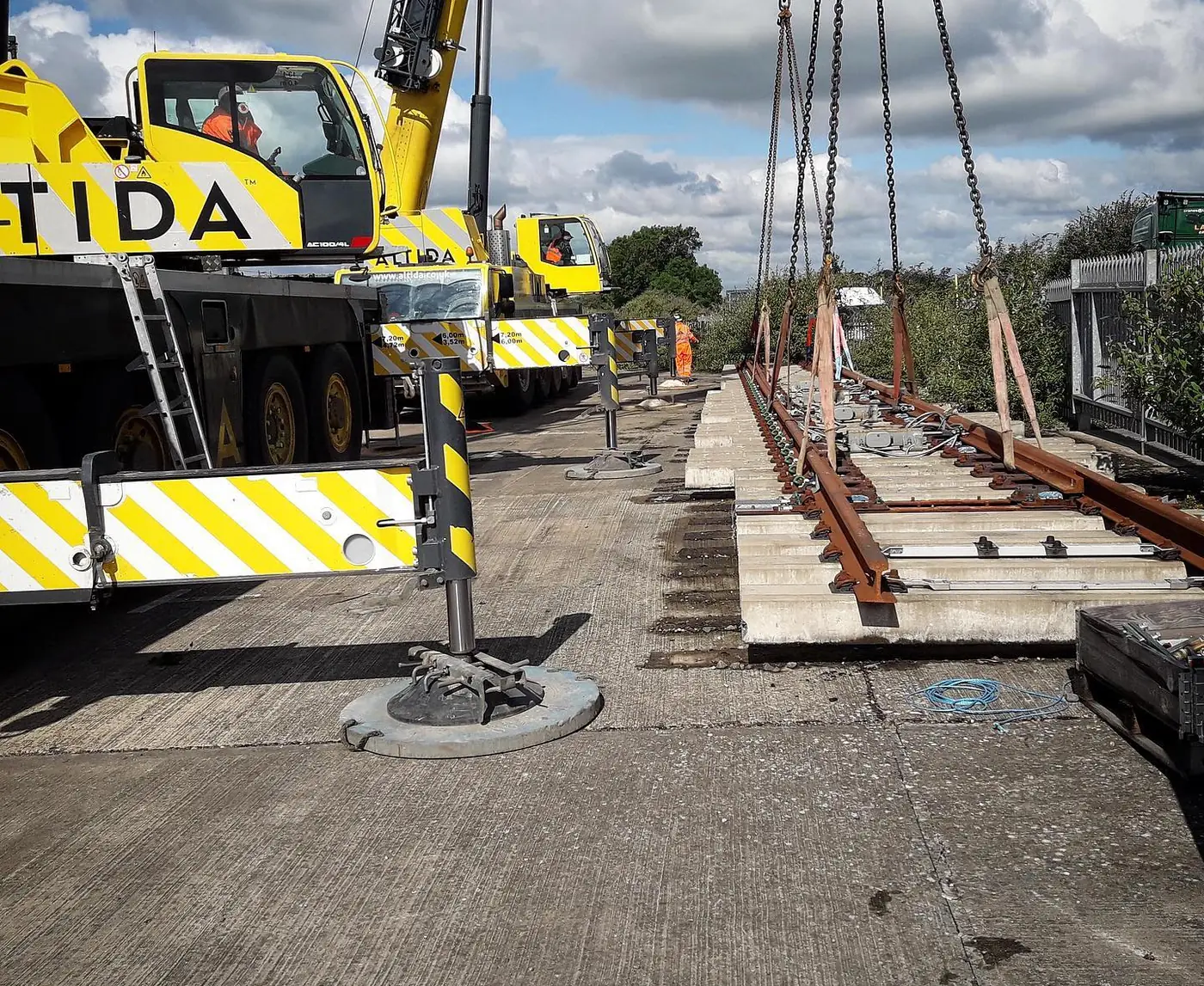
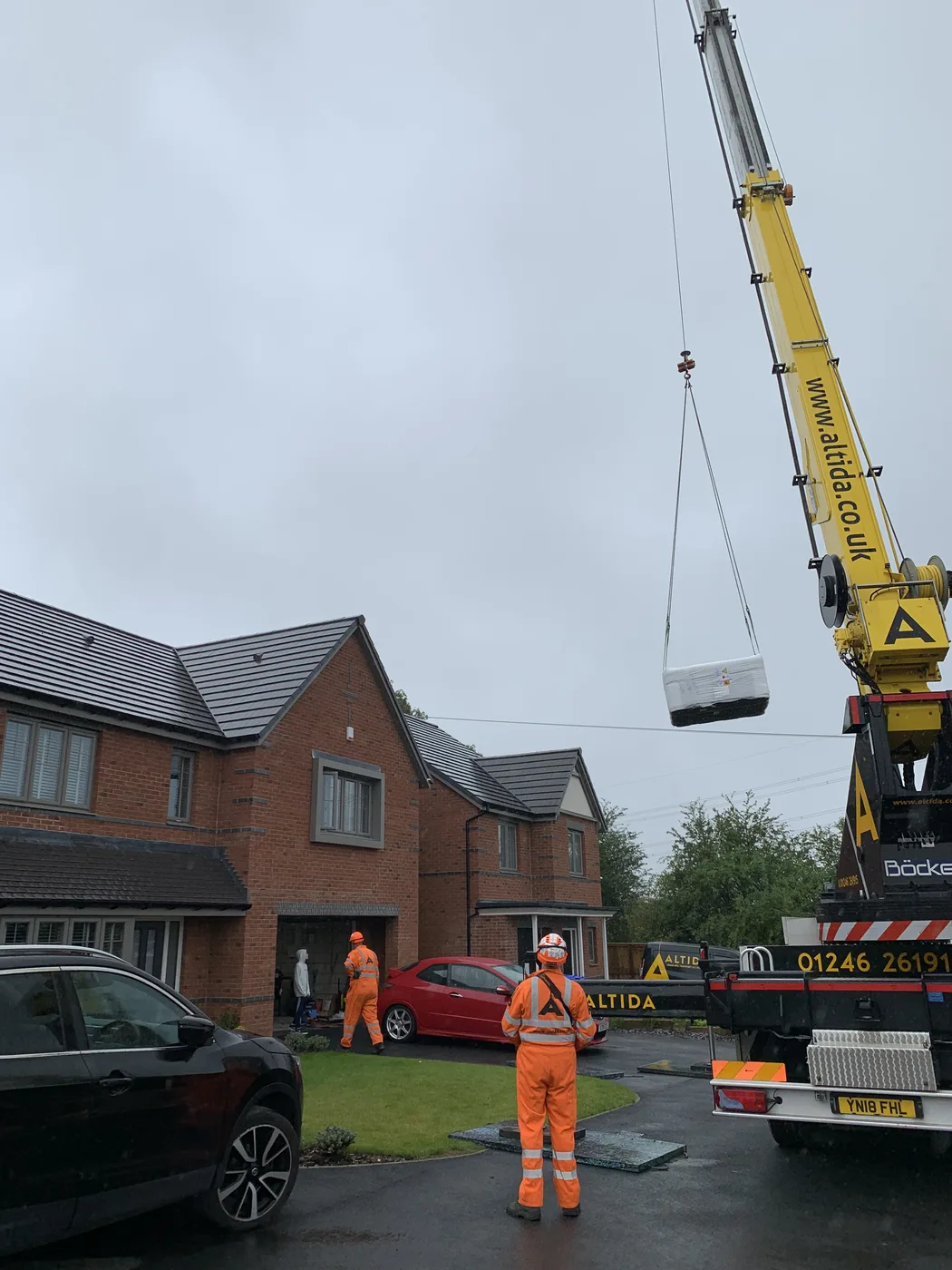
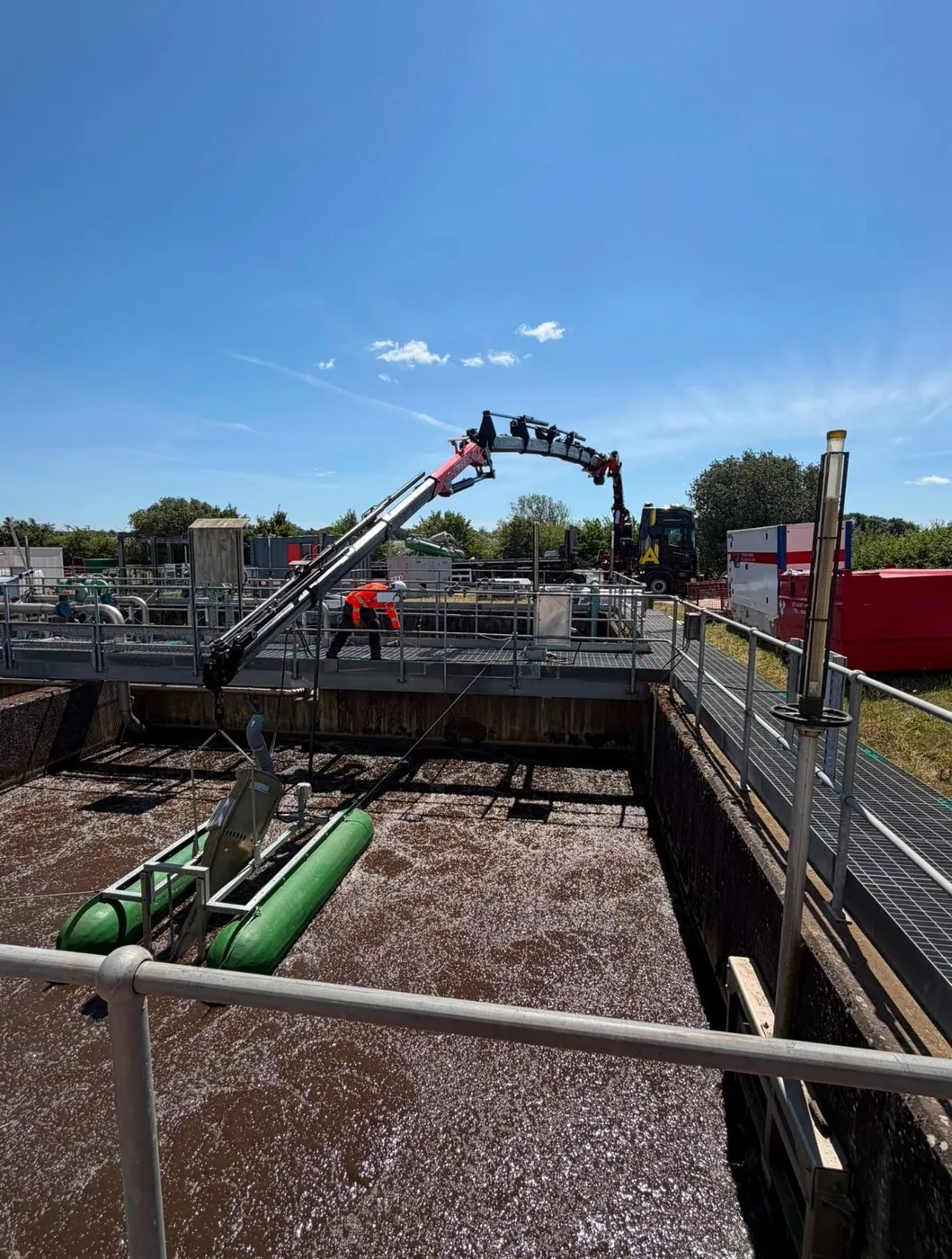
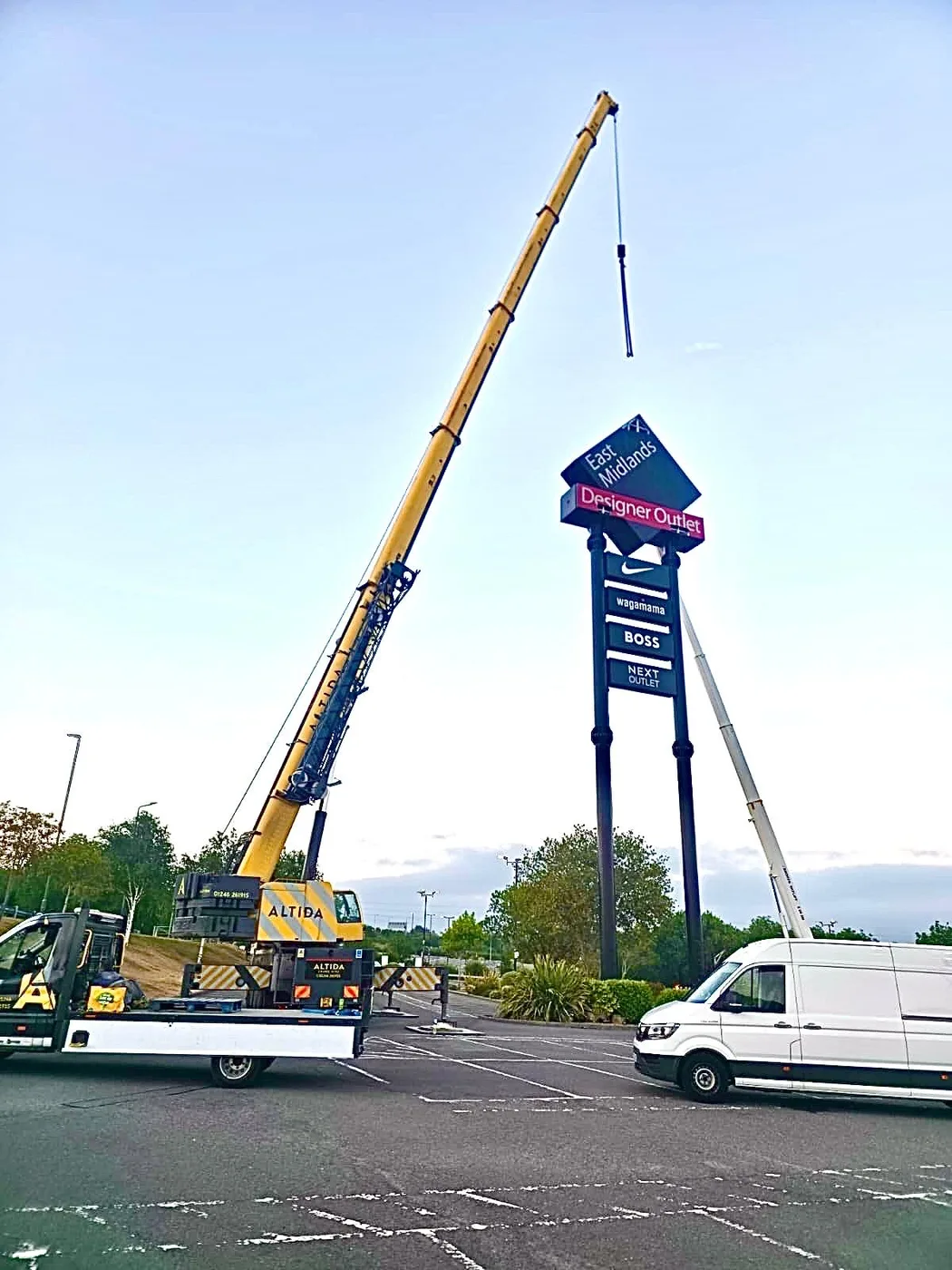
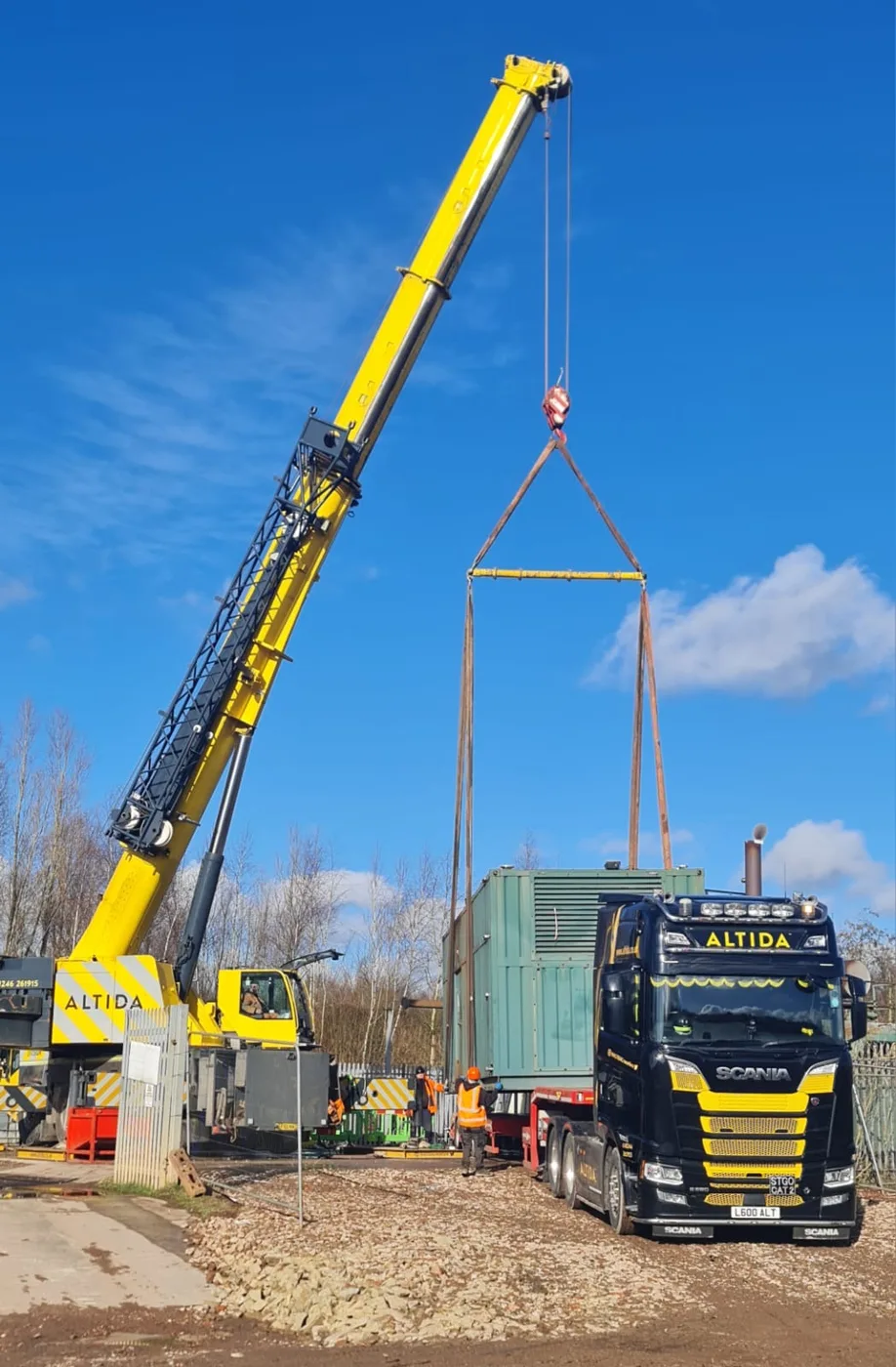
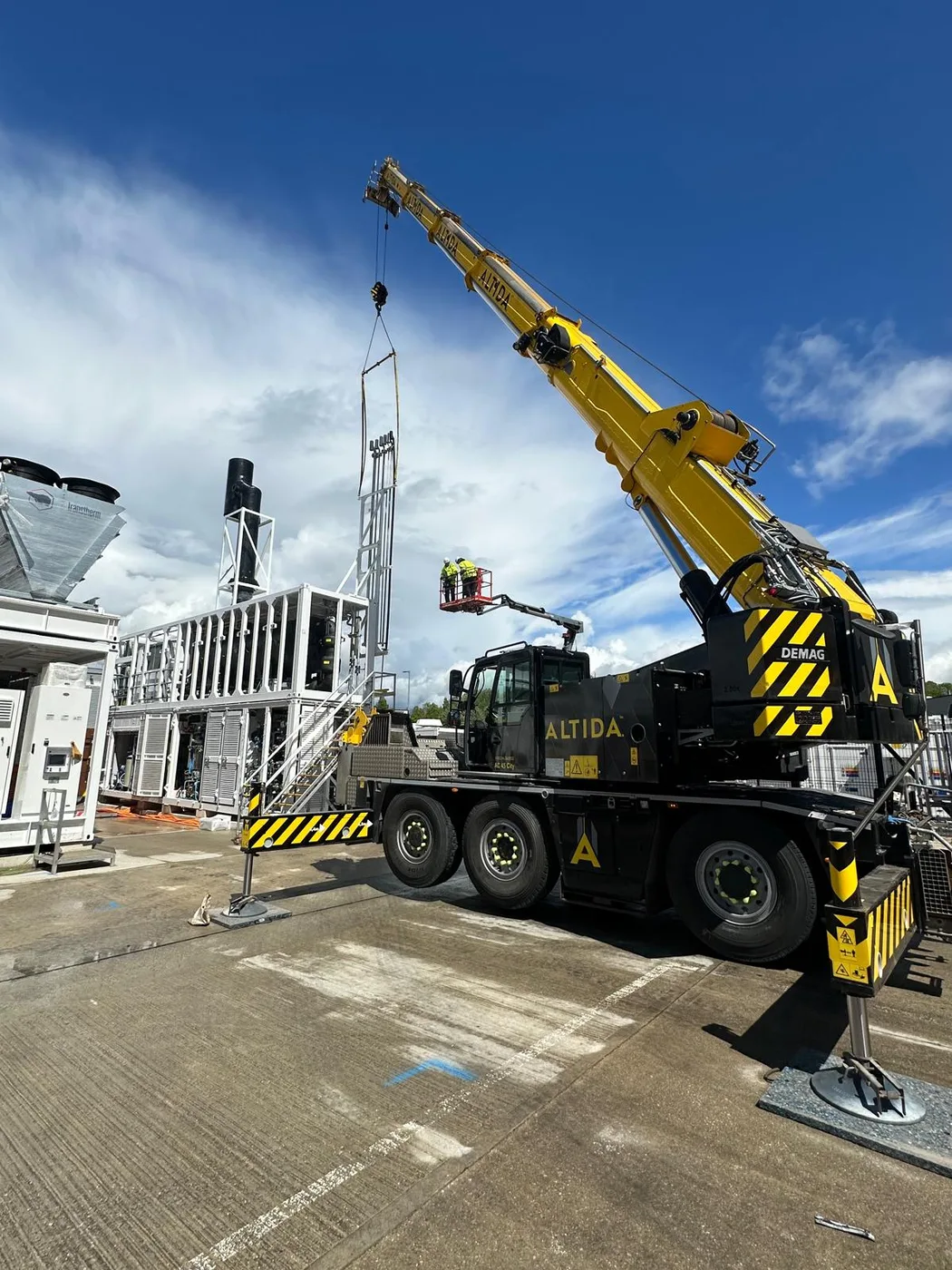
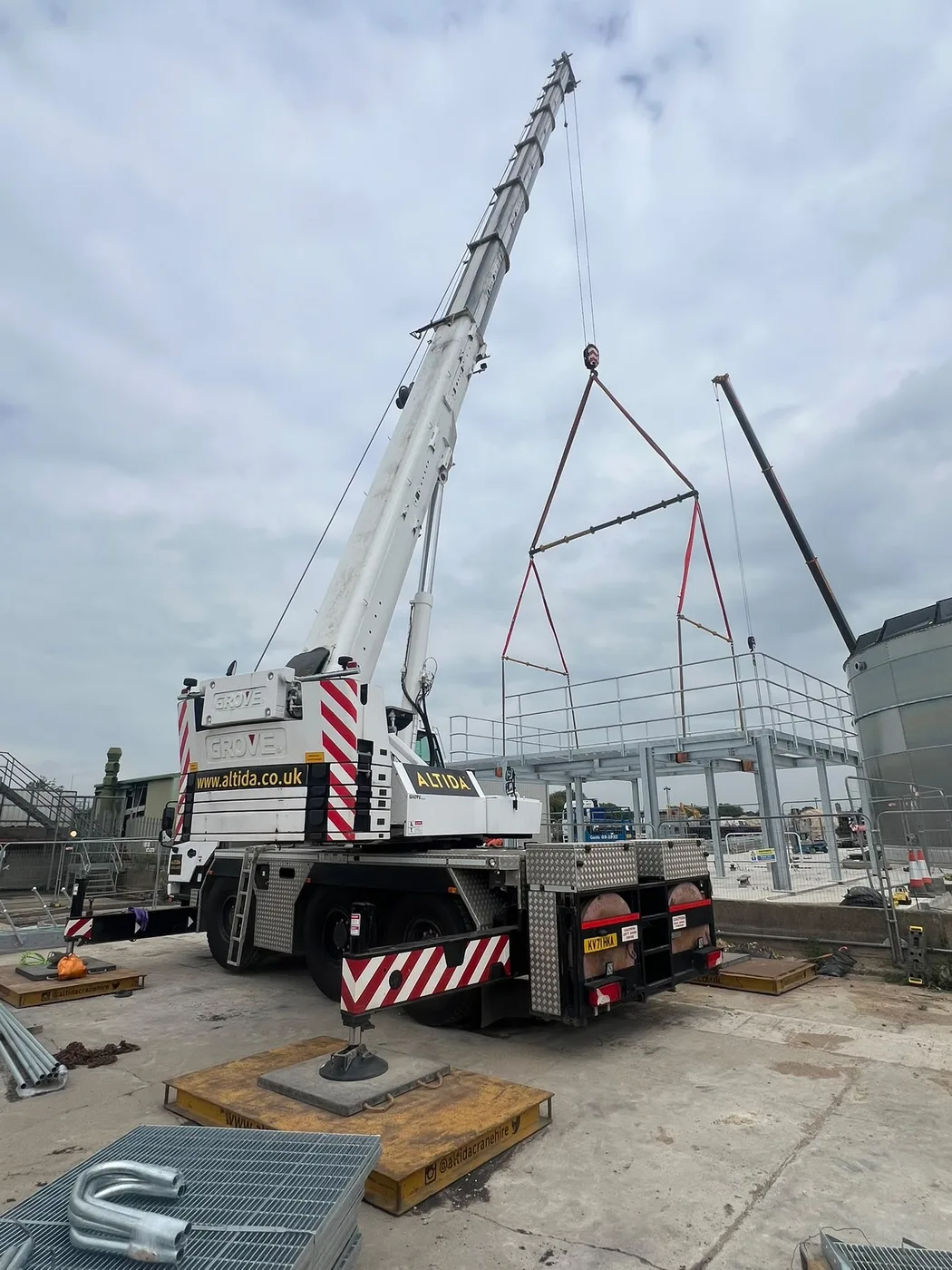
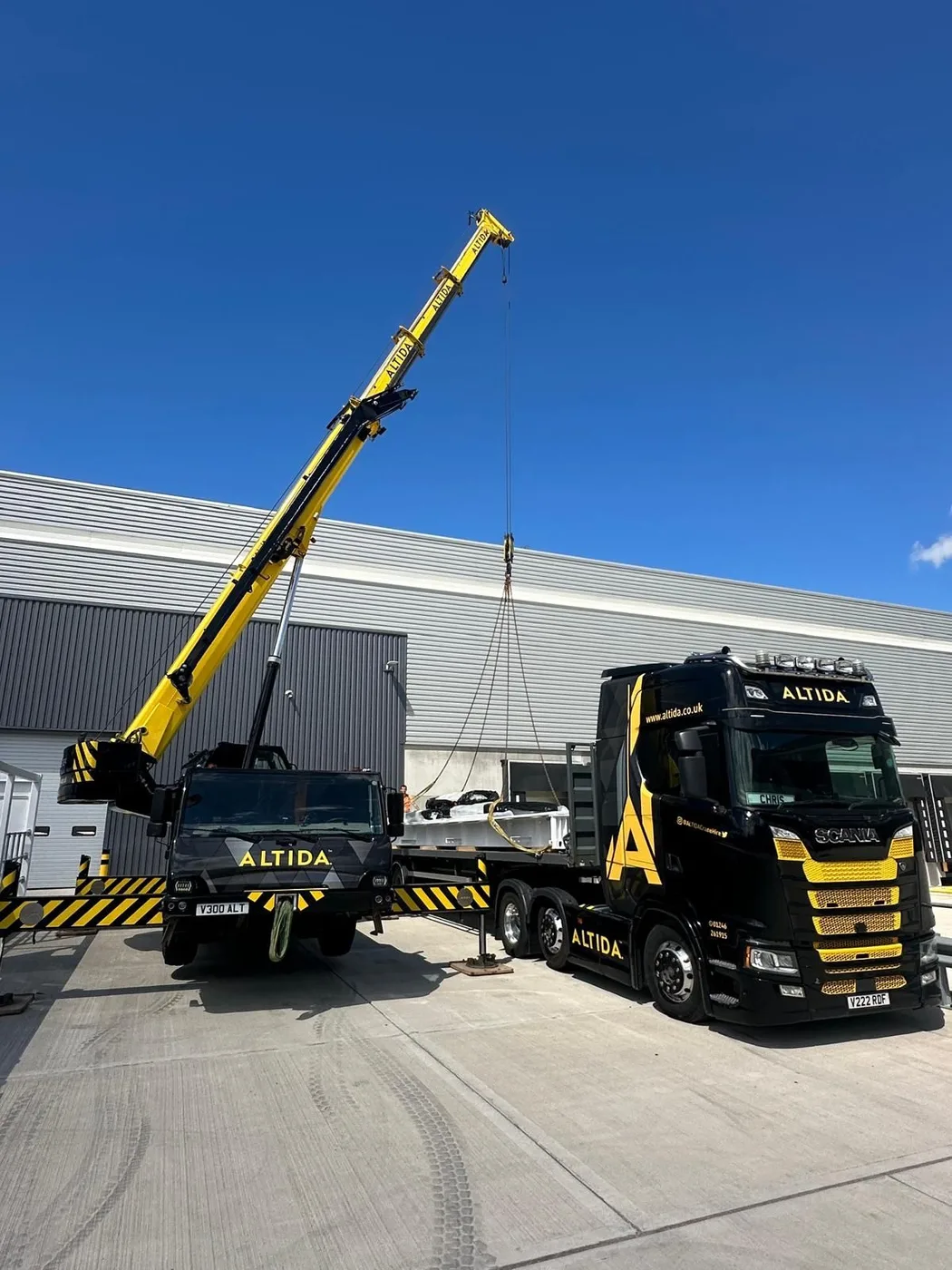
Altida runs cranes as well as transport. So when a load needs lifting onto or off the trailer, the crane and the lorry come from the same team — no handover between two separate firms.


Know your load

What makes
a load abnormal

A load is abnormal once it crosses any one of the standard road limits — on weight, width, length, or height. Cross one, and the move runs under Special Types rules instead of normal haulage.

  1. Over 44 tonnes gross Above the standard weight ceiling for a road vehicle, into Special Types territory on the right multi-axle trailer.
  2. Over 2.9 metres wide Wide loads need notice to the authorities, and an escort where the width calls for one through the route.
  3. Over 18.65 metres long Long structural sections and plant carried on extending or rear-steer trailers that follow the tractor through tight access.
  4. High loads Tall loads carried low on a step-frame deck, with the route planned around bridges, gantries, and overhead lines.
  5. Indivisible loads A load that can't reasonably be split for transport — a vessel, a transformer, a single machine — moved in one piece.

What we handle

The whole move, handled in-house

An abnormal load is as much paperwork and planning as it is driving. We carry all of it — so the legal side and the route are sorted long before the load moves.

  • Route survey and planning around bridges, structures, and access.

  • Movement orders and the legal documentation, prepared in-house.

  • Notifications to police and the highway and bridge authorities.

  • ESDAL filing for the notifiable movement, where it applies.

  • Escort vehicles arranged where the route or the width needs them.

  • The right trailer matched to the weight, width, length, and height.

ESDAL is the Electronic Service Delivery for Abnormal Loads — the National Highways system used to notify the authorities of a movement. We file it as part of the job, not as an extra.

Special Types

How abnormal loads
are classified

Once a load is over the normal 44-tonne limit, it moves under the Special Types General Order (STGO), in three categories by weight — and the speed it can run at drops as it gets heavier. Beyond the categories, the heaviest and widest loads move on an individual Special Order. The notice the authorities need scales up the same way; we build it into the plan from the first call.

  Up to Maximum gross weight Motorway Top speed
Normal load 44 tonnes — within Construction & Use limits National limit
STGO Category 1 50 tonnes 60 mph
STGO Category 2 80 tonnes 40 mph
STGO Category 3 150 tonnes 40 mph
Special Order Over 150 tonnes, or over 6.1 m wide By individual order

The categories set what's allowed; the notice each move needs is separate, scaling from a couple of clear working days for many movements up to several weeks for a Special Order. A "clear working day" excludes the day the notice is given, the day of the move, weekends and bank holidays — so the real lead time is longer than the headline figure. The exact requirement depends on the load and the route, which we confirm when we plan the job.

Not actually abnormal? See General Haulage

Route planning

The route is planned
before the load moves

Getting an abnormal load there safely is mostly about the route. We survey it, plan around what the load can't clear, and confirm the way through before anything leaves the yard.

  1. Structures and bridges

    We check the route for bridges and structures the weight has to cross, and notify their owners so the move is cleared in advance, not stopped on the day.

  2. Swept paths and access

    Tight corners, roundabouts, and site entrances are checked against the length and the trailer, so the load follows a route it can actually turn through.

  3. Height and overhead lines

    For tall loads, the route is planned around low bridges, gantries, and overhead lines — the deck height chosen to clear them, the path chosen to avoid them.

  4. Street furniture and obstructions

    Signs, bollards, and kerb lines that a wide load would catch are identified in the survey, so the way through is known before the wheels turn.

The fleet

The right trailer for the load

Abnormal loads need a trailer built for the dimension that puts them over the limit — the weight, the length, or the height. We run a mixed fleet so we match the trailer to the load.

Height clearance

Step-frame low-loaders

A stepped deck that sits low to the road, so a tall load runs legally under bridges and gantries a standard trailer wouldn't clear. The first choice when height is what makes the load abnormal.

Best for Tall plant, mobile cranes, vessels.

Long loads

Extending rear-steer trailers

Triple-extending beds with rear-wheel steer that follows the tractor through tight corners — the choice for long loads heading through narrow site access, roundabouts, and town centres.

Best for Structural steel, long beams, rail.

Heaviest picks

Multi-axle low-loaders

More axles spread the weight of the heaviest loads across the road and the structures beneath it. The trailer for a load that's abnormal on weight rather than size.

Best for Transformers, pressure vessels, heavy plant.

Out-of-gauge

Specialist trailers

Where a load won't sit on anything off the shelf, we put it on the right specialist trailer — a triple-extending bed, extra axles to spread the weight, or a low-loader matched to the load.

Best for Out-of-gauge loads, long or wide sections.

Why Altida

Escorts, lift, and the move,
from one team

Most transport firms sub the cranes out; most crane firms sub the transport out. Altida runs both, with our own escort teams — which is what keeps an abnormal load on one timeline, with one number to call.

  1. Our own escort vehicles

    Where the route or the width needs them, the escort vehicles come from the same team running the move — and liaise with the police where the movement requires it.

  2. The crane and the lorry, one team

    When the load needs lifting onto or off the trailer, the crane and the transport come from the same yard. No handover between two firms, no crane sat waiting on someone else's lorry.

  3. Route and paperwork in-house

    The route survey, the movement orders, the notifications, and the ESDAL filing all sit with the same team that runs the move — not farmed out to a third party.

  4. Nationwide coverage

    A central base in Chesterfield means we reach the length of the UK without starting every job miles from where it begins.

Before you call

What we'll need to know

The more you can tell us up front, the faster we can confirm the trailer, the route, and the notice the move needs. Don't worry if you don't have it all — we'll work the rest out with you.

  • What the load is, and roughly what it weighs.

  • Its dimensions — length, width, and height, even approximate.

  • Where it's collected from, and the access at that end.

  • Where it's going, and the access on delivery.

  • When you need it moved, allowing for the notice period.

  • Whether it needs lifting on or off, or rigging at either end.

If you have most of that, send it over and we'll come back with a clear quote — the trailer, the route, the notice the move needs, and any escort named up front.

Across industry

Sectors we move for

Rail

Long rail sections, overhead crane beams, trackside machinery.

Construction

Long structural steel, modular units, oversized materials.

Power & utilities

Transformers, generators, switchgear over the weight limit.

Oil & gas

Pressure vessels, process equipment, slip bundles.

Plant & manufacturing

Oversized site machinery and production-line equipment.

Exhibition & events

Equipment and structures to venues and showgrounds.

Common questions

What we
get asked

The questions project and site teams ask us most often about abnormal loads. Anything else, just call.

Is my load actually abnormal?
A load is abnormal once it's over the standard road limits — over 44 tonnes gross, over 2.9 metres wide, or over 18.65 metres long — or where its height needs a route planned around bridges and overhead lines. Cross any one and it moves under Special Types rules. If you're not sure, send us the weight and dimensions and we'll confirm it either way. If it's within the limits, see our General Haulage page.
Do you handle the permits, notifications, and police liaison?
Yes, all in-house. The route survey, the movement orders, the notifications to police and the highway and bridge authorities, and the ESDAL filing all sit with the same team that runs the move — filed before the lorry leaves the yard.
How much notice do you need?
It depends on the load. The statutory minimum is two clear working days' notice to the police for many movements, with five clear days to the highway and bridge authorities for the heavier STGO categories, and a Special Order applied for in advance on the heaviest moves. We work the notice into the plan from the first call, so tell us as early as you can.
Do you do the route survey and sort the bridges and structures?
Yes. We survey the route for bridges, structures, swept paths, height clearances, and street furniture, and notify the structure owners so the way through is cleared in advance rather than stopped on the day.
Do you provide escort vehicles?
Yes, where the route or the width needs them. The escort vehicles come from our own team running the move, and liaise with the police where the movement requires it.
What's the difference between STGO Category 1, 2 and 3?
They're weight bands under the Special Types General Order. Category 1 covers loads up to 50 tonnes and can run at up to 60 mph on the motorway; Category 2 covers up to 80 tonnes; Category 3 up to 150 tonnes — and both Category 2 and 3 are capped at 40 mph on the motorway. Over 150 tonnes, or over 6.1 metres wide, the load needs an individual Special Order. We work out which category your load falls in and plan the move around it.
What is ESDAL, and who gets notified?
ESDAL is the Electronic Service Delivery for Abnormal Loads — the national system that plots the route, flags low bridges and structures, and notifies everyone who needs to know in one submission: the police forces, the highway authorities, and the owners of bridges and structures on the route. The widest loads also need a VR1 notification or a Special Order. We handle the ESDAL filing and the notifications in-house, before the lorry leaves the yard.
Do I need a police escort, or is a private one enough?
Most abnormal-load moves are managed with private escort vehicles — ours — front and rear, warning other road users and guiding the load through tight spots. A private escort can warn and direct, but it has no legal power to stop or hold traffic. Only the police can do that, and they attend where the load and the route call for it. There's no blanket legal requirement to escort every abnormal load; what's needed depends on the load's size and the route, which we work out when we plan the move.
What counts as an indivisible load?
An indivisible load is one that can't reasonably be broken down into smaller parts for transport without undue expense or risk of damage — a single large vessel, a long structural section, a complete machine. The Special Types rules exist for genuinely indivisible loads; if a load can be split down to within normal limits, it usually should be. If you're not sure, tell us what it is and we'll advise.
What's the speed limit for an abnormal load?
It depends on the category. A Category 1 load can run at up to 60 mph on the motorway, 50 on a dual carriageway and 40 on other roads; Category 2 and 3 loads are slower, capped at 40 mph on the motorway, 35 on a dual carriageway and 30 elsewhere. The lower speeds are part of why the heaviest moves are planned so carefully around timing and route.
Can you lift the load on and off as well as move it?
Yes. Altida runs cranes as well as transport, so the lift onto and off the trailer comes from the same team as the move — no handover between two separate firms, and no crane sat waiting on someone else's lorry.